
Introduction
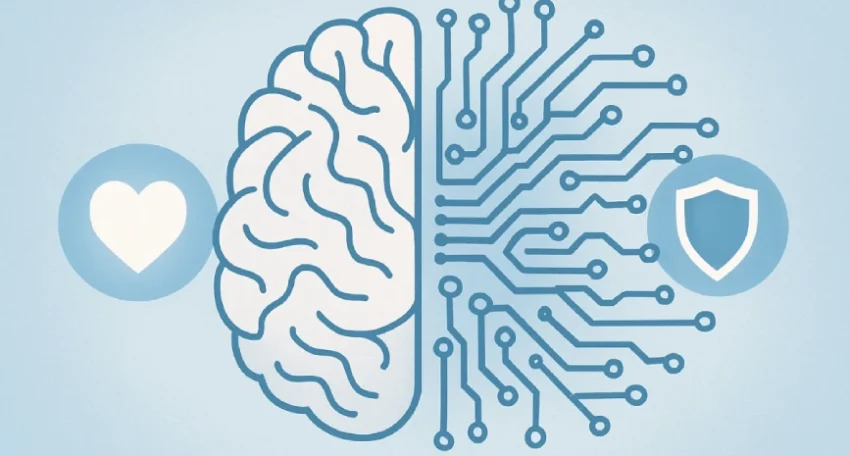
Artificial Intelligence (AI) is no longer just a futuristic concept—it’s already shaping the way we think, work, and live. Its influence on mental health care is particularly significant, offering both promising opportunities and potential risks. From improving accessibility to raising ethical concerns, AI’s role in mental well-being is a double-edged sword.Positive Impacts of AI on Mental Health
- Improved Access to Mental Health Support AI-powered chatbots, virtual assistants, and mobile mental health apps allow individuals to access immediate, judgment-free support anytime, anywhere. These tools are especially useful for people living in remote areas or those hesitant to seek traditional therapy due to stigma.
- Early Detection and Prevention AI algorithms can analyze speech, behavior, and even social media activity to spot warning signs of stress, anxiety, or depression. Early detection enables timely intervention, reducing the risk of crises and improving long-term outcomes.
- Personalized Treatment and Therapy By tracking user progress through AI-driven platforms, therapists can receive real-time data and tailor their treatment strategies to match individual needs. This enhances the effectiveness of therapy and shortens recovery timelines.
- Reducing Mental Health Stigma AI-powered self-help tools offer private and anonymous avenues to seek support, helping break cultural and social stigma around mental health challenges.
Challenges and Risks of AI in Mental Health
- Lack of Human Empathy While AI can simulate conversation, it cannot provide the emotional depth and empathy that a trained mental health professional offers. Over-reliance on digital solutions may result in individuals feeling isolated.
- Data Privacy and Security Concerns AI relies heavily on sensitive personal data. If this data is mishandled, misused, or leaked, it could pose serious risks to user safety and trust.
- Potential for Misdiagnosis AI systems are dependent on the quality of their training data. Biased or incomplete data may result in inaccurate diagnoses, which could harm vulnerable users.
- Ethical and Legal Questions Who is responsible if AI systems make harmful recommendations? Should AI bots be allowed to handle mental health crises? These ethical dilemmas must be addressed before large-scale adoption.